Student to Startup: 7 Essential Tips for Entrepreneurial Success
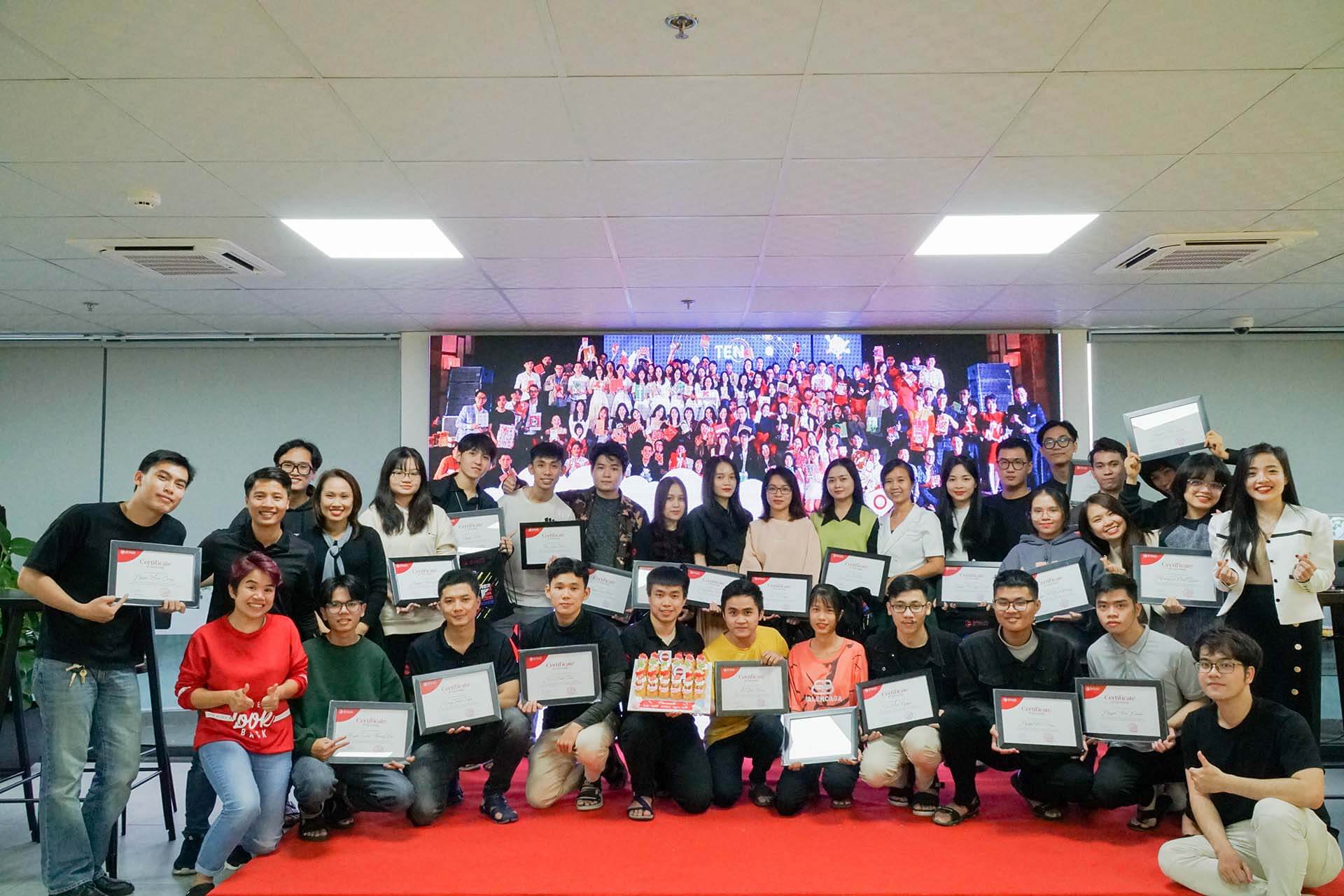
If you’ve got big dreams of launching your own startup, this article is undoubtedly the right message. With the hope of guiding enthusiastic beginners toward building a thriving business, I’m thrilled to share some essential tips for entrepreneurial success based on my own journey from student to startup founder. Whether you’re just starting out or already on your entrepreneurial path, these insights will be helpful in some way!
Tip 1: Try to find opportunities in your daily work
One of the key lessons I’ve learned on my entrepreneurial journey is to always keep an eye out for opportunities in your daily work.
Take my brand, Enosta, for instance. We started out helping clients build prototypes of their ideas, called MVPs (Minimum Viable Products) during our time doing IT consulting, we handled everything from development and design to marketing and sales. Over time, we realized that we had the potential to bring these products to the market ourselves. We could build the graphics, create sales tools, design landing pages, and put together marketing plans and basically, everything needed to launch these products. So, we seized the opportunity and expanded our team to over 60 members now, transforming it into a product acceleration company that helps other businesses do the same thing.
This is just one example, but it shows how opportunities can be hidden in unexpected places. Pay close attention to the problems you encounter or the gaps you notice in the processes. Is there a better way to solve a particular issue? Is there an opportunity to create a product or service that addresses a specific need? By being a keen observer and letting your creative juices flow, you might just stumble upon the next big business idea. So, keep your eyes open, unleash your innovation, and see where everyday work takes you. You might be surprised by what you find.
Tip 2: Build up your skill set
Building a successful startup requires a diverse skill set. Yes, technical expertise is crucial, but it’s just one piece of the puzzle. As I mentioned, we started as developers, but over time, we’ve grown to understand various aspects of running a business, from human resources to financial planning.
When we began, we were primarily focused on building applications, but then, we realized that to run a business, we needed to expand our knowledge beyond technical skills.
In addition to technical skills, entrepreneurs need to develop a range of other competencies. These may include marketing, sales, finance, leadership, and communication skills. Take advantage of online courses, workshops, and mentorship programs to enhance your knowledge and expertise in these areas. Building a well-rounded skill set will not only make you a better entrepreneur, but it will also enable you to effectively manage and lead your team as your startup grows.
Tip 3: Start as soon as possible
The beauty of entrepreneurship lies in its accessibility. You don’t need a fancy degree or a huge investment to get started. I’ve seen many high school students take advantage of youth hackathons, competitions, and startup communities. Starting early allows you to learn valuable lessons and gain experience. It’s not about immediate success, it’s about acquiring knowledge and skills along the way. Starting early opens doors to exciting possibilities and sets you on a path of continuous growth and improvement.
As a student, you have several advantages such as fewer responsibilities and commitments, more flexibility with your time, and a hunger for learning. Use this time to experiment, take calculated risks, and learn from both your successes and failures.
While not every early venture becomes a booming success, the learning experience is invaluable. Don’t wait for the “perfect time”, start exploring your ideas, building prototypes, and learning from your mistakes. The sooner you begin, the faster you’ll grow and adapt.
Tip 4: Plan for the Future, Today
If you have dreams of becoming a startup founder, it’s never too early to start planning. Even if your startup dream might seem like a distant future, planning makes everything more possible.
Don’t wait for the right time or the perfect opportunity. Let’s begin with choosing the environment aligned with your dream. While joining a big company can provide stability and a streamlined onboarding process, consider joining a startup where you’ll be exposed to a wide range of tasks and responsibilities. That’s possibly where the magic happens.
In a startup, you’ll have the opportunity to learn and develop various skills. Take on different roles within the team, collaborate with your colleagues, and gain invaluable experience. Choose an environment that accelerates your learning and sets you on the path to achieving your long-term vision.
Once you’ve found an ideal environment for learning and growing, it’s time to start sketching out your business plan. Think of it as your startup’s roadmap to success, with a clear mission statement, a description of your target market, an analysis of your competition, a marketing strategy, financial projections, and an implementation plan. While your plan may evolve, having a solid foundation from the start will give you direction and focus.
Tip 5: Build your team effectively
Building a strong, well-rounded team is crucial for any startup’s success.
It’s natural for teams to experience disagreements and conflicts initially. However, the key is to learn how to navigate these challenges constructively. Ask yourself why team members think the way they do, explore the pros and cons and encourage open dialogue. The goal is to move from the storming phase to the norming phase as quickly as possible. When we reach the norming phase, the team understands each other’s strengths and weaknesses, and collaboration becomes more seamless.
Remember, a strong team is not just about technical skills, it’s about cultural fit, shared values, and a shared commitment to the mission of your startup. Surround yourself with people who share your passion and vision but also challenge your thinking.
Tip 6: Learn how to work with other people
Let’s be honest, managing people is often more challenging than the technical aspects of a business. It’s essential to develop the skills to work effectively with your team members. Remember, people have different characteristics and ways of thinking. Take the time to understand their perspectives and motivations. Learn to manage expectations, create a positive work environment, and inspire motivation. Technical skills can be acquired online, but the experience of working with people is something you can only gain through practice and real-life interactions.
Effective communication is key to working well with others. Be clear and concise in your communication, actively listen to others, and be open to feedback. Learn from both successes and failures, develop your leadership skills by setting clear expectations, providing guidance and support, and recognizing and rewarding the achievements of your team members. Invest in building strong relationships with your employees, partners, and customers. Remember that successful entrepreneurship is not a solo journey, it requires collaboration and the ability to bring out the best in others.

Tip 7: Think about the culture & core values of your company
Every successful company has a unique culture that defines its values and fosters a sense of belonging. When building your startup, consider the kind of environment you want to create. What values do you hold? How do you want your team members to feel and interact with each other?
Investing in a positive and supportive culture pays off in the long run. When people feel valued, motivated, and connected to a shared purpose, they’re more likely to go the extra mile, contributing to the company’s success.
Remember, the road to entrepreneurship is exciting, challenging, and ultimately, incredibly rewarding. These tips are just the beginning. Embrace the journey, learn from every experience, and never stop fostering your entrepreneurial spirit.